How to Cycle a New Pond
A step-by-step guide to cycling a koi pond before adding fish: fishless cycling, careful fish-in cycling, bottled bacteria, what to test, and how to reach zero ammonia and zero nitrite.
Cycling a new pond means growing the beneficial bacteria that turn toxic fish waste into safe nitrate, and you do it before adding koi. The process takes about 4 to 6 weeks in warm water. You can cycle without fish, which is safest, or carefully with one or two hardy fish. Either way, the goal is the same: test until ammonia and nitrite both read zero, then stock. Skip this step and you invite new pond syndrome, the number one killer of new koi.
What You Need to Cycle a Pond

API POND MASTER Test Kit (500-Test)
Liquid kit for accurate ammonia, nitrite, pH, and phosphate readings while you cycle.

Aquascape Beneficial Bacteria Concentrate
Eight strains plus enzymes to seed the filter and jump-start a new cycle.

Aquatic Experts Pond Water Conditioner (Dechlorinator)
Removes chlorine and chloramine and detoxifies ammonia, useful during a fish-in cycle.
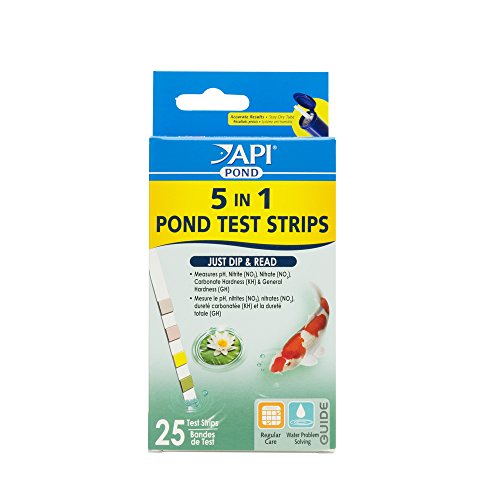
API Pond 5-in-1 Test Strips (25-ct)
Fast dip strips for daily pH, nitrite, nitrate, KH, and GH spot checks.
Why you cannot skip cycling
A brand new pond has no established bacteria. The moment you add fish, their waste releases ammonia with nothing to break it down, so it climbs fast and burns gills, damages the slime coat, and stresses the immune system. Then nitrite appears and chokes the blood's ability to carry oxygen. This crash is so common it has a name, new pond syndrome, and it is entirely avoidable. Cycling builds the bacterial workforce first so the pond is ready to defuse waste before any fish depend on it. If you are fuzzy on the chemistry, read the pond nitrogen cycle explained alongside this guide.
Before you start: set the pond up right
Cycling works only if the equipment that houses the bacteria is running. Get these in place first:
- Know your true volume. Run the numbers with the pond volume calculator so you can dose bacteria, dechlorinator, and any treatments to the real gallons.
- Run the filter and pump continuously. The biofilter is where bacteria live. Aim to turn the whole pond over at least once per hour, so your pump should move at least as many gallons per hour as the pond holds.
- Add aeration. Nitrifying bacteria need oxygen. An air pump or a waterfall keeps the colony fed and growing.
- Dechlorinate the fill water. Chlorine and chloramine kill bacteria, so treat the water as you fill and let things settle.
Option 1: Fishless cycling (the safe method)
Fishless cycling is the gold standard because no living fish are exposed to ammonia or nitrite. You become the waste source, controlling exactly how much ammonia the bacteria get.
Step by step
- Add an ammonia source. Use bottled pure ammonia (no surfactants or scents) dosed to raise the pond to roughly 2 to 4 ppm, or drop in a small amount of fish food and let it decay. The decaying-food route is slower and messier but free.
- Seed the filter. Pour in bottled beneficial bacteria, and if you can, add media or sponge squeezings from an established, healthy pond to transfer a live colony.
- Test every two days. Watch ammonia rise, then fall as nitrite appears, then watch nitrite fall as nitrate shows up. Top up the ammonia source if it drops to zero before nitrite is being processed, so the bacteria keep feeding.
- Confirm the cycle. When a dose of ammonia clears to zero, and nitrite is also zero, within 24 hours, you are cycled.
- Do a partial water change. Cycling often leaves nitrate high, so change 25 to 50 percent of the water (dechlorinated) before stocking.
Option 2: Careful fish-in cycling
Sometimes fish are already in the pond, or you want to cycle with a tiny starter population. This works but demands vigilance, because the fish are exposed to the toxins you are still learning to control. Keep the bioload as light as possible.
How to manage a fish-in cycle
- Start with one or two hardy fish only. Never stock a koi pond fully during cycling. A couple of inexpensive, tough fish produce enough ammonia to feed the bacteria without overwhelming the system.
- Feed sparingly. Less food means less ammonia. Feed lightly every other day, and remove anything uneaten.
- Test daily. Check ammonia and nitrite every day. Any time ammonia or nitrite climbs toward 0.25 ppm, do a partial water change to dilute it.
- Use a conditioner that detoxifies ammonia. Some pond water conditioners temporarily lock up ammonia into a less toxic form while the bacteria catch up, buying your fish a margin of safety. Keep dechlorinating every drop of new water.
- Be patient. Fish-in cycling often runs slower because you keep diluting the ammonia the bacteria need. Expect 6 to 8 weeks.
| Week | What you typically see | Action |
|---|---|---|
| 1 to 2 | Ammonia rising | Keep feeding the cycle; dechlorinate top-offs |
| 2 to 4 | Nitrite rising, ammonia falling | Keep testing; water change if fish-in and levels spike |
| 4 to 6 | Nitrate appears, nitrite falling | Cycle nearing completion |
| 6+ | Ammonia 0, nitrite 0, nitrate present | Partial water change, then stock slowly |
Stocking after the cycle finishes
Once ammonia and nitrite hold at zero, add fish gradually, not all at once. The bacteria colony sized itself to the ammonia load it had during cycling. Triple the fish overnight and you can outrun the colony, causing a mini ammonia spike. Add a few fish, let the bacteria grow to match for a week or two, then add a few more. Because koi are heavy-waste fish that need about 1,000 gallons or more and grow large, do not overstock, ever. Plan your numbers with the stocking guidance in our planner before you buy.
Common cycling mistakes
- Adding fish too early. The single biggest error. Wait for zero readings.
- Forgetting dechlorinator. Untreated tap water kills the colony you are building.
- Cleaning the filter mid-cycle. Leave new media alone so the bacteria can establish.
- Overfeeding. Excess food spikes ammonia and clouds the water.
- Trusting the calendar over the test kit. Temperature changes everything. Only zero ammonia and zero nitrite prove a finished cycle.
Cycling is the one job you do once, properly, and benefit from for years. Build the bacteria first, dechlorinate everything, test until you hit zero ammonia and zero nitrite, then stock slowly. From here, learn how to keep the colony strong in beneficial bacteria in ponds, understand the warning signs of new pond syndrome, and get your buffering right with pond KH and GH so your pH stays stable through the cycle.
Pond Build & Maintenance Planner
Build planner, stocking planner, water-test log, and seasonal maintenance schedule, in one printable planner that keeps your pond healthy year-round.
Frequently Asked Questions
How long does it take to cycle a new pond?
Most ponds take 4 to 6 weeks to cycle in warm water. Cooler spring and fall temperatures slow the bacteria, stretching it to 8 weeks or more. Seeding the filter with bottled beneficial bacteria or media from an established pond can shorten the timeline. You confirm the cycle is done by testing, not by counting days: ammonia and nitrite must both hold at zero.
What is fishless cycling?
Fishless cycling builds your bacteria colony before any fish go in, so nothing is at risk. You add a steady ammonia source, either bottled pure ammonia or a small amount of fish food left to decay, then let bacteria grow to process it. You test every couple of days and wait until added ammonia clears to zero within 24 hours. It is the safest, lowest-stress way to cycle.
Can I cycle a pond with fish already in it?
Yes, but carefully. A fish-in cycle means starting with just one or two hardy fish, feeding sparingly, and doing frequent partial water changes to keep ammonia and nitrite low while the bacteria catch up. It is more work and more risky than fishless cycling because the fish are exposed to the very toxins you are trying to control. Test daily and change water whenever readings climb.
Will bottled bacteria really speed up cycling?
Bottled beneficial bacteria seed your filter with live nitrifiers instead of waiting for them to colonize on their own, which can shave a week or more off the process. Results vary by product and storage, so treat it as a head start rather than an instant fix. Squeezing media or sponge from an established, disease-free pond into your filter works even faster because it transfers a mature colony.
What test readings mean my pond is cycled?
A cycled pond processes ammonia and nitrite to zero. The clearest proof: add an ammonia source, wait 24 hours, and retest. If both ammonia and nitrite read zero and nitrate is present, your bacteria are keeping up and the pond is ready for fish. During cycling you will first see ammonia rise, then nitrite rise as ammonia falls, then both drop as nitrate appears.
Do I need to dechlorinate water before cycling?
Yes. Chlorine and chloramine in tap water kill the very bacteria you are trying to grow, so always treat fill water and top-off water with a dechlorinator. This matters during cycling and for every water change afterward. Never rinse filter media under untreated tap water either, or you will wipe out part of your colony and stall the cycle.
Planning or running a pond?
Use our free calculators and guides to get every number right.
Pond Planner: $39