Best Pond Aerators (2026)
The best pond aerators and air pumps for healthy oxygen levels in koi ponds, from quiet small-pond kits to heavy-duty linear pumps and winter de-icers.
An aerator is the single cheapest piece of life support you can add to a koi pond. It pushes oxygen to the bottom, turns the water over, and keeps fish alive through summer heat waves and winter ice. For most backyard ponds the best choice is a quiet diaphragm kit like the Aquascape Pond Air 2 or the AquaMiracle All-in-One, while large or deep koi ponds want a linear-piston workhorse like the Hiblow HP-80. Below are our researched top picks for every pond size, plus how to size the air output to your real water volume.
Best Pond Aerators of 2026

AquaMiracle All-in-One Koi Pond Aerator (up to 1,000 Gallons)
Whisper-quiet 4W kit with 2 outlets, air stones, tubing, and check valves. Ideal starter aerator for small to mid koi ponds.

Aquascape Pond Air 2 Double Outlet Aeration Kit (75000)
Trusted name in water gardens. Dual-outlet diaphragm pump with stones and tubing for ponds up to roughly 2,000 gallons.

CrystalClear PondAir 2 Complete Aeration Kit
Whisper-quiet two-stone bubbler system that adds oxygen to koi and fish ponds. Complete with compressor, tubing, and stones.
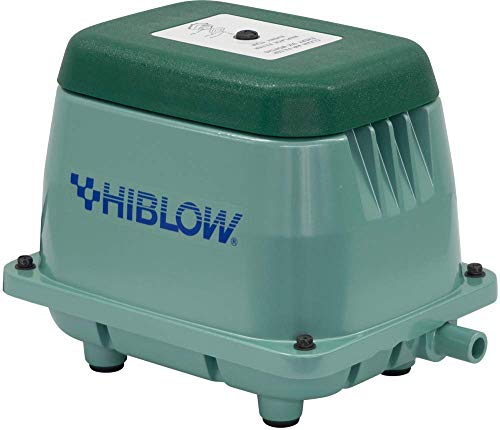
Heavy-duty linear-piston pump built for large koi ponds and deep water. Renowned for years of quiet, reliable continuous duty.

The Pond Guy Pond Aerator 1 Complete Kit
Single-diffuser diaphragm kit with weighted air line and a sturdy diffuser stick. A clean, reliable choice for compact ponds.

AquaMiracle Koi Pond Aerator with De-Icer (2,000 to 5,000 Gallons)
Self-sinking airline and rubber diffuser with air-flow control, doubles as a winter de-icer to keep a hole in the ice.
Why aeration matters more than most pond owners think
Koi are heavy-waste fish. They eat a lot, produce a lot, and the bacteria that break down that waste consume dissolved oxygen around the clock. On a hot summer night, when aquatic plants stop producing oxygen and warm water holds less of it to begin with, oxygen can crash to lethal levels before sunrise. That is when most avoidable fish kills happen. A continuously running aerator is the insurance that prevents it.
Aeration also drives the whole pond to circulate. Rising bubbles lift low-oxygen, sludge-laden water from the bottom up to the surface where it can release carbon dioxide and pick up fresh oxygen. That circulation feeds your biological filter, discourages stagnant dead zones, and helps beneficial bacteria keep ammonia and nitrite in check. A waterfall alone only moves the top layer, so a bottom diffuser is a genuine upgrade for water quality.
How we chose these pond aerators
We did not lab-test these units. Instead, we compared manufacturer specifications, matched air output to pond size and depth, and weighed patterns in verified owner reviews against the standards experienced koi keepers actually use. The factors that mattered most:
- Air output matched to volume: CFM and GPH ratings checked against the pond size each pump claims to serve.
- Depth and pressure: whether the pump can push air down to a 2 to 3 foot deep zone without stalling.
- Quiet, continuous duty: aerators run nonstop, so noise level and bearing or diaphragm longevity are critical.
- Complete kits: tubing, check valves, and diffusers included so the pump works out of the box.
- Energy use: wattage, because a unit running 24/7 should sip power, not gulp it.
- Winter capability: whether the unit can keep a hole open in the ice, which is a lifesaver in freezing climates.
Pond aerator comparison
| Aerator | Best for | Type | Stand-out feature |
|---|---|---|---|
| AquaMiracle All-in-One | Ponds up to 1,000 gal | Diaphragm, 2 outlets | Quiet, complete starter kit |
| Aquascape Pond Air 2 | Mid-size water gardens | Diaphragm, dual outlet | Trusted water-garden brand |
| CrystalClear PondAir 2 | Small to mid koi ponds | Diaphragm, 2 stones | Whisper-quiet bubbler |
| Hiblow HP-80 | Large, deep koi ponds | Linear piston | Pro-grade longevity |
| The Pond Guy Aerator 1 | Compact ponds | Diaphragm, single diffuser | Weighted air line |
| AquaMiracle De-Icer Kit | 2,000 to 5,000 gal | Diaphragm, air control | Doubles as winter de-icer |
AquaMiracle All-in-One Koi Pond Aerator
This is the aerator we point most beginners toward. Rated for ponds up to about 1,000 gallons, the 4-watt pump is genuinely quiet thanks to rubber feet and a smooth airflow path, and the kit arrives complete with two air stones, tubing, and check valves so nothing else is needed. The adjustable dial lets you fine-tune output. For a typical preformed or small liner pond with a handful of koi, it delivers the oxygen you need at a few dollars a month in electricity.
Aquascape Pond Air 2 (Double Outlet)
Aquascape is a name most pond builders recognize, and the Pond Air 2 is a dependable dual-outlet workhorse for mid-size water gardens. Two outlets let you spread diffusers across the pond for more even circulation rather than one concentrated plume. If you value a widely supported brand with easy replacement parts, this is an easy recommendation for ponds in the 500 to 2,000 gallon range.
CrystalClear PondAir 2
The CrystalClear PondAir 2 is a whisper-quiet two-stone bubbler aimed at small and mid koi ponds. Owners repeatedly praise how little noise it makes, which matters when the pump sits near a patio or bedroom window. It is a straightforward, complete kit that does one job well: adding steady oxygen without fuss.
Hiblow HP-80 Linear Air Pump
When the pond gets big or deep, step up to a linear-piston pump. The Hiblow HP-80 is a professional favorite, also used in septic aeration, known for pushing strong airflow to depth and running for years. It is an investment, but for a large koi pond with multiple deep diffusers, the reliability and pressure are worth it. Pair it with a manifold to split air across several stones.
The Pond Guy Pond Aerator 1
A clean single-diffuser kit for compact ponds, The Pond Guy Aerator 1 includes a weighted air line so the tubing sinks and stays put, plus a sturdy diffuser stick. It is a no-drama choice for a small pond that needs reliable oxygen without a lot of hardware.
AquaMiracle Aerator with De-Icer (2,000 to 5,000 Gallons)
For larger ponds in cold climates, this AquaMiracle kit pulls double duty. Through the seasons it provides strong aeration with adjustable air-flow control and a self-sinking airline, and in winter it keeps a hole open in the ice so toxic gases escape and koi survive. If you face hard freezes, an all-season unit like this saves you from buying a separate de-icer.
Size your aerator to real pond volume
The most common mistake is buying by the box label instead of by the water. A pond rated for 1,000 gallons on paper might hold far less once you account for rocks, shelves, and a shallow build, or far more if it is deep. Always work from your actual gallons and depth. A practical rule is roughly one quality diffuser per 1,000 to 2,000 gallons, with deeper ponds needing more air pressure to push bubbles to the bottom.
Our pond aeration calculator does the math for you. Enter your pond dimensions and it sizes the air output and number of diffusers you need, so you buy the right pump the first time. If you have not measured your water yet, start with the pond volume calculator to nail down your gallons, then size the aerator from there.
Installation and seasonal tips
Mount the air pump above the waterline on a dry, shaded shelf and always install the included check valves so water cannot siphon back into the pump if the power fails. Place diffusers in or near the deepest zone for maximum turnover, but avoid burying them in muck, which clogs the stones. In winter, raise at least one diffuser closer to the surface so you keep a breathing hole in the ice without super-chilling the warmer bottom water where koi rest. Clean or replace air stones once a season, since clogged stones starve the pump of output.
Pond Build & Maintenance Planner
Build planner, stocking planner, water-test log, and seasonal maintenance schedule, in one printable planner that keeps your pond healthy year-round.
We also have full reviews of each: HIBLOW HP-80 review and HQUA PAS20 aeration system review.
Frequently Asked Questions
Do I really need an aerator if my pond has a waterfall?
A waterfall adds some oxygen at the surface, but it only circulates the top layer of water. An aerator pushes air to the bottom, where koi waste and sludge consume the most oxygen. In summer heat and overnight, when plants stop producing oxygen, a dedicated air pump is the cheapest insurance against a fish kill. Most koi keepers run both a waterfall and an aerator.
What size aerator do I need for my pond?
Match the aerator to your real water volume and depth, not the box label. A rough guideline is one quality air stone per 1,000 to 2,000 gallons, with deeper ponds needing more pressure to push air down. Calculate your gallons first, then pick a pump rated at or above that volume. Our pond aeration calculator sizes the air output and diffuser count for you.
Where should I place the air stone in the pond?
Set diffusers near the deepest zone so rising bubbles lift low-oxygen bottom water to the surface and turn the whole pond over. Keep at least one stone slightly higher in winter so you do not super-chill koi resting in the deep zone. Avoid burying stones directly in muck, which clogs them and wastes airflow.
Can a pond aerator keep a hole open in winter ice?
Yes, and this is one of the most important jobs an aerator does. Running an air stone placed just below the surface keeps a small opening in the ice so toxic gases from decaying matter can escape and oxygen can enter. Pair it with a floating de-icer in very cold climates. Never smash the ice, as the shock wave can harm or kill koi.
How many watts does a pond air pump use?
Small diaphragm pumps for ponds up to 1,000 gallons draw roughly 4 to 18 watts, which costs only a few dollars a month to run continuously. Larger linear-piston pumps for big koi ponds use 30 to 80 watts. Because aeration runs around the clock, an energy-efficient pump pays for itself, so check the wattage rating before you buy.
Should I run the aerator all year, day and night?
Aeration is most critical at night and during hot weather, when dissolved oxygen drops fastest. Running it continuously is the safest approach for stocked koi ponds. In winter, keep it going but raise the diffuser higher in the water column so you do not chill the warmer water koi rely on at the bottom of a deep pond.
Planning or running a pond?
Use our free calculators and guides to get every number right.
Pond Planner: $39