Pond Liner Size Chart
Pond liner size chart with the standard formula: liner length = pond length + 2 x depth + 4 ft overlap. Find the EPDM liner dimensions for common pond sizes from a 6x4 water garden to a 20x15 koi pond.
Quick answer: Liner length = pond length + (2 x max depth) + 4 ft. Liner width = pond width + (2 x max depth) + 4 ft. The 4 ft covers a 2 ft overlap on each side for anchoring. Example: a 10 x 8 ft pond that is 3 ft deep needs a liner about 20 x 18 ft, so you buy the next stock size up. Use 45 mil fish-safe EPDM and matching underlayment.
Liner is one purchase you only want to make once, and getting the size wrong is the most expensive beginner mistake in pond building. A liner that comes up short cannot be stretched, and seaming two pieces is fussy and risky. This chart applies the standard liner formula to common pond sizes so you can order with confidence, then round up to the nearest stock dimension.
The formula is straightforward. In each direction the liner has to drop down one wall, cross the bottom, and rise up the far wall, then leave an overlap to anchor at the rim. That is why you add twice the maximum depth plus the overlap on both sides.
The Pond Liner Formula
- Liner length = pond length + (2 x max depth) + (2 x 2 ft overlap)
- Liner width = pond width + (2 x max depth) + (2 x 2 ft overlap)
The 2 ft overlap on each side adds 4 ft total to each dimension. Buy the next available stock size at or above the calculated figure, and buy underlayment in the same size.
Pond Liner Size Chart
Calculated liner size uses the formula above with a 2 ft overlap per side. The suggested stock size rounds up to common EPDM dimensions.
| Pond L x W (ft) | Max Depth (ft) | Liner Length (ft) | Liner Width (ft) | Suggested Stock Size |
|---|---|---|---|---|
| 6 x 4 | 2 | 14 | 12 | 15 x 15 |
| 8 x 6 | 2 | 16 | 14 | 20 x 15 |
| 10 x 6 | 2.5 | 19 | 15 | 20 x 15 |
| 10 x 8 | 3 | 20 | 18 | 20 x 20 |
| 12 x 8 | 3 | 22 | 18 | 25 x 20 |
| 12 x 10 | 3 | 22 | 20 | 25 x 20 |
| 15 x 10 | 3 | 25 | 20 | 25 x 20 |
| 16 x 12 | 3.5 | 27 | 23 | 30 x 25 |
| 18 x 12 | 3.5 | 29 | 23 | 30 x 25 |
| 20 x 15 | 4 | 32 | 27 | 35 x 30 |
Fish-Safe EPDM Pond Liners
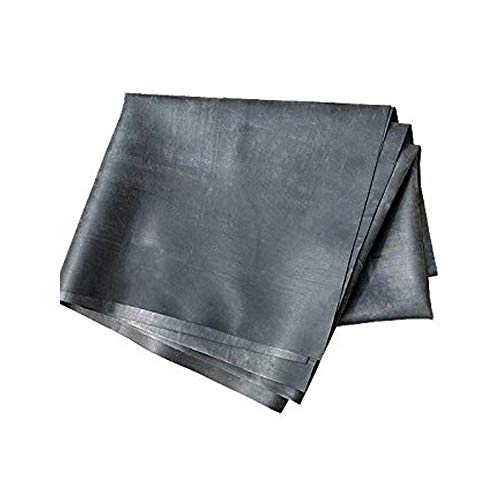
Firestone 45 mil EPDM Rubber Pond Liner, 15 x 20 ft
Fish-safe 45 mil EPDM, a common size that fits ponds up to about 11 x 16 ft at 3 ft deep.

VEVOR 45 Mil Pond Liner, 15 x 20 ft
Pliable, durable 45 mil liner suited to mid-size koi ponds and water gardens.

Firestone PondGard 45 Mil EPDM Liner, 5 x 10 ft
Fish-safe EPDM in a small size for container and patio ponds or repairs.
Worked example
Say you are digging a 15 x 10 ft koi pond with a 3 ft deep zone. Liner length is 15 + (2 x 3) + 4 = 25 ft. Liner width is 10 + (2 x 3) + 4 = 20 ft. So you need a liner at least 25 x 20 ft, which is a common roll size, and 25 x 20 ft of underlayment underneath. Drop your own numbers into the pond liner calculator for an instant result, and confirm your dig volume with the pond volume calculator.
Don't forget underlayment and overlap
Two details protect your investment. First, lay underlayment, a thick geotextile fabric, between the soil and the liner. It shields against roots, sharp stones, and ground settling, the most common causes of slow leaks. Buy it in the same dimensions as the liner. Second, do not trim the overlap until the pond is full and settled. Water weight pulls the liner into its final shape, and any slack you cut off early can leave the edge short. Fill the pond, let it settle a day, then anchor and trim.
Choosing the right liner material
For koi and water gardens, 45 mil fish-safe EPDM rubber is the standard. It flexes around contours and shelves, resists UV and punctures, and lasts decades when installed over underlayment. Always confirm the liner is labeled fish-safe or pond-grade, because roofing EPDM can contain mildew and additives that harm fish. PVC liners cost less but become brittle over time, so EPDM is the better long-term choice for a koi pond you plan to keep.
Keeping fish indoors instead? Our sister site FishTankCalculator.com covers aquarium setup the same practical way.
Frequently Asked Questions
How do I calculate the pond liner size I need?
Use this formula for each direction: liner length = pond length + (2 x max depth) + (2 x overlap), and liner width = pond width + (2 x max depth) + (2 x overlap). A 2 ft overlap on each side is standard, so add 4 ft total per direction. For a 10 x 8 ft pond that is 3 ft deep, the liner is 10 + 6 + 4 = 20 ft long by 8 + 6 + 4 = 18 ft wide.
Why add twice the depth to the liner size?
The liner has to drop down one wall, cross the bottom, and climb up the opposite wall, so it spans the full depth twice across each direction. That is why the formula adds two times the maximum depth, not one. Skipping this is the classic mistake that leaves a liner too short to reach the rim, forcing an expensive seam or a full replacement.
How much liner overlap do I need at the edges?
Leave at least 1 to 2 ft of liner past the waterline on every side so you can anchor it under rocks, soil, or a paver edge and trim cleanly later. Two feet is the safe default and what this chart assumes. Extra overlap is cheap insurance, since you can always trim it off, but you cannot add length to a liner that came up short.
Do I need underlayment under the liner?
Yes. Underlayment is a thick protective fabric that goes between the soil and the liner to guard against roots, sharp stones, and settling that can puncture the liner over time. Buy underlayment in the same dimensions as your liner. It is inexpensive compared to the liner and dramatically extends the life of an EPDM pond.
What thickness of EPDM liner is best for koi?
A 45 mil EPDM rubber liner is the standard for koi and water gardens, balancing puncture resistance, flexibility, and fish safety. Make sure it is labeled fish-safe, since roofing-grade EPDM can contain additives that are toxic to fish. For larger or rocky ponds some builders step up to 60 mil, but 45 mil fish-safe EPDM serves most backyard koi ponds well.
How do planting shelves affect liner size?
Shelves change the shape but not the basic math, because the liner still has to drape from rim to deepest point and back. Use the maximum depth in the formula and the liner will have enough material to follow the shelves and contours, with the slack settling into the steps. Adding a foot of extra overlap helps when a pond has lots of shelving and irregular edges.
Planning or running a pond?
Use our free calculators and guides to get every number right.
Pond Planner: $39