Why Koi Are Not Eating
Koi stop eating most often because the water is cold, which is normal below about 50F. In warm water, suspect water quality, illness, or stress. Here is how to check each cause.
Fast answer: The most likely reason koi stop eating is cold water. Below about 50F their metabolism slows and they cannot digest food, so you should stop feeding for the season. If the water is warm and they still refuse, the cause is usually poor water quality, illness, or stress. Your first action: check the water temperature, then test ammonia and nitrite.
A koi that suddenly turns down food can be alarming, but in most cases it is completely normal seasonal behavior, not a sign of sickness. The key is the water temperature. Once you know whether your pond is cold or warm, you know which short list of causes to investigate. Here is how to read the situation correctly.
Test the Water and Feed the Right Food

API Pond Master Test Kit (500-Test)
Liquid kit for pH, ammonia, nitrite, and phosphate to rule out water-quality causes.

Hikari Wheat Germ Floating Pellets
Easy-to-digest cool-weather food for the 50F to 60F shoulder seasons.

CrystalClear WheatGerm Cold-Water Fish Food
Protein-rich floating wheat germ pellets formulated for cooler water digestion.
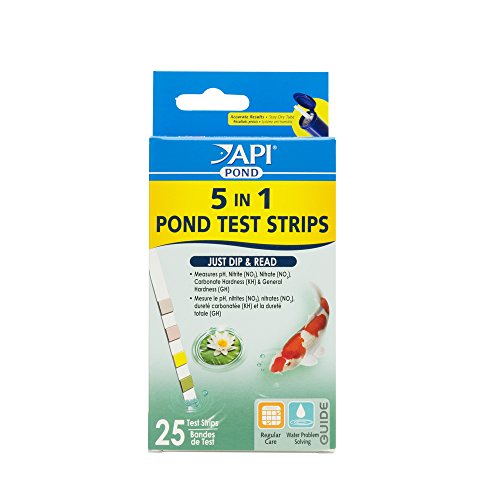
Quick dip strips for pH, nitrite, nitrate, and hardness for a fast water check.
Cold water is the number one reason
Koi are cold-blooded, so their metabolism rises and falls with the water temperature. As the pond cools below about 50F, their digestion slows dramatically, and below that point they cannot process food at all. A koi that ignores food in autumn or winter is behaving exactly as it should.
This is why feeding cold koi is harmful, not helpful. Food eaten in cold water can sit undigested and rot inside the fish or foul the pond. The right move is to follow the temperature:
- Above 60F: feed a normal high-quality koi food as usual.
- 50F to 60F: switch to an easy-to-digest wheat germ food and feed less often.
- Below 50F: stop feeding entirely until spring warms the water back up.
Use a reliable pond thermometer and let the water temperature, not the calendar or air temperature, make the call. For the full cold-season routine, see our guide to overwintering koi.
If the water is warm and they still will not eat
A refusal to eat in warm water is more meaningful and deserves investigation. Work through these causes in order.
1. Poor water quality
This is the most common warm-weather culprit. High ammonia or nitrite stresses koi and shuts down appetite before any other obvious symptom. Test immediately with a master test kit. Any detectable ammonia or nitrite means you should do a partial water change with dechlorinated water and check that your biological filter is healthy. Low oxygen from summer heat also kills appetite, so confirm your aeration is adequate and read our guide on koi gasping at the surface if you see any labored breathing.
2. Illness or parasites
Sick koi go off their food. Watch for warning signs like flashing and rubbing, clamped fins, sitting motionless on the bottom, sores, or rapid gilling. If you see these, read our notes on flashing and rubbing and consult a koi specialist or aquatic vet before dosing any medication.
3. Stress
Recent changes upset koi and suppress appetite for a few days. New fish, handling, a big water change, predators like herons stalking the pond, or sudden temperature swings can all do it. Give the fish a calm, stable environment and the appetite usually returns once the stressor passes.
4. The food itself
Koi can be fussy. A new brand, stale or rancid pellets, or a food that is too large can cause a temporary boycott. Make sure your food is fresh, stored cool and dry, and appropriately sized. Sometimes the simple fix is fresher pellets.
How to check each cause
| Sign | Likely cause | First action |
|---|---|---|
| Water below 50F | Normal winter slowdown | Stop feeding until spring |
| Ammonia or nitrite detectable | Water quality | Partial water change, check filter |
| Gasping at surface, hot weather | Low oxygen | Add aeration, stop feeding |
| Flashing, clamped fins, sores | Illness or parasites | Consult a koi vet before treating |
| Recent new fish or handling | Stress | Keep conditions stable, wait |
| New or old food, warm water | Food problem | Try fresh, correctly sized pellets |
How to keep a healthy appetite
- Feed to temperature. Match the food and frequency to the water, and stop below 50F.
- Keep water quality high. Test regularly and keep ammonia and nitrite at zero.
- Do not overstock. A heavy bioload stresses fish and strains the filter. Check the Koi Stocking Calculator.
- Aerate well, especially in heat. Good oxygen supports a strong appetite.
- Store food properly. Keep pellets cool, dry, and within their shelf life.
- Minimize stress. Quarantine new fish, handle gently, and protect the pond from predators.
Heading into the cold season? Our overwintering koi guide walks through winter feeding, aeration, and keeping a hole in the ice. This article is educational, not veterinary advice. For a koi that looks unwell, contact a koi specialist or aquatic vet.
Pond Build & Maintenance Planner
Build planner, stocking planner, water-test log, and seasonal maintenance schedule, in one printable planner that keeps your pond healthy year-round.
Frequently Asked Questions
Why have my koi stopped eating?
The most common reason is cold water. Below about 50F a koi metabolism slows so much that they cannot digest food, so a healthy appetite simply switches off for winter. If the water is warm and they still refuse food, look at water quality, illness, stress from new fish or handling, or recent changes to their food. Always check temperature and test the water first.
At what temperature should I stop feeding koi?
Stop feeding when the water consistently drops below about 50F. Koi cannot digest food properly in cold water, and undigested food rotting in their gut or in the pond is harmful. Many keepers switch to an easy-to-digest wheat germ food in the 50F to 60F shoulder seasons, then stop entirely once it stays below 50F. Use a reliable pond thermometer to decide.
Is it normal for koi not to eat in winter?
Completely normal. As water cools below roughly 50F, koi enter a low-activity state and rest near the bottom where the water is warmest and most stable. They live off stored reserves and should not be fed. Feeding cold koi can cause undigested food to rot internally. Resume light feeding in spring only once the water warms back above 50F.
Could poor water quality stop koi from eating?
Yes. High ammonia or nitrite stresses koi and suppresses appetite well before it becomes lethal, and it often comes with clamped fins, gasping, or sitting on the bottom. If your koi ignore food in warm weather, test the water immediately. Any detectable ammonia or nitrite means you should do partial water changes and check your filter before worrying about the food itself.
My koi will not eat in summer. What is wrong?
In warm water a refusal to eat is more concerning than in winter. Check dissolved oxygen first, since heat lowers it and a low-oxygen pond kills appetite. Then test ammonia and nitrite, look for signs of illness or parasites like flashing and clamped fins, and consider stress from recent new fish or handling. Persistent refusal in warm water warrants a closer health check.
How long can koi go without eating?
Healthy koi can go weeks without food, and through winter they go months living on stored reserves, which is normal and safe. A short fast in warm weather is also not an emergency on its own. The concern is not the missed meals but the cause behind them. If warm-water koi refuse food for more than a few days, investigate water quality and health.
Planning or running a pond?
Use our free calculators and guides to get every number right.
Pond Planner: $39