Shubunkin Care: The Calico Pond Goldfish
Shubunkin care for ponds: hardy calico single-tail goldfish reaching 9 to 14 inches, about 50 gallons each, coldwater, peaceful, diet, water, and winter care.
Shubunkins are the calico jewels of the goldfish world: hardy single-tails with a pearly blue-grey base splashed in red, black, and orange. They reach 9 to 14 inches, need about 50 gallons each, and are peaceful, pond-hardy fish that overwinter outdoors with ease. If you love goldfish color but want something more unusual than a plain orange comet, the shubunkin delivers, with all the same beginner-friendly toughness.
Shubunkin care at a glance
| Care factor | Recommendation |
|---|---|
| Minimum pond size | 200 to 300 gallons for a small group |
| Minimum depth | 18 to 24 inches (more in cold climates) |
| Adult size | 9 to 14 inches |
| Temperature range | Coldwater, ideal 65 to 72 F, tolerates near-freezing to mid-80s F |
| Diet | Omnivore (floating pond food, plus grazing) |
| Temperament | Peaceful, social, loosely shoaling |
| Lifespan | 10 to 15+ years |
| Gallons per fish | About 50 gallons per shubunkin |
Planning a shubunkin pond? Confirm your gallons with the pond volume calculator, then set safe numbers with the stocking calculator, which covers goldfish as well as koi.
Shubunkin pond essentials

Kaytee Koi's Choice Floating Pond Food, 10 lb
Floating pellets suited to shubunkins and other pond goldfish.

Tetra Pond Sticks for Goldfish and Koi, 1.72 lb
Floating staple sticks for everyday shubunkin feeding.

API Pond Master Liquid Test Kit, 500 tests
Tests pH, ammonia, nitrite, and phosphate to keep water safe.
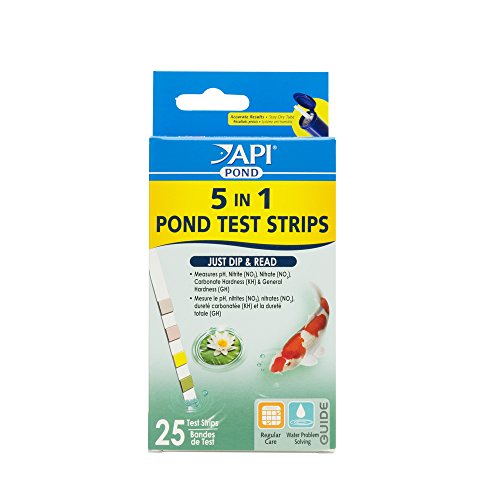
API 5-in-1 Pond Test Strips, 25 count
Quick dip strips for a fast read on pH, KH, GH, nitrite, and nitrate.
Pond setup for shubunkins
Shubunkins are active single-tails that grow large, so give them open water and depth. A small group of three or four is comfortable in around 200 to 300 gallons, scaling at roughly 50 gallons per fish as they grow toward 14 inches. Aim for a depth of at least 18 to 24 inches so the fish have a cool summer refuge and a frost-free winter zone, deeper where freezes are hard.
Filtration and turnover
Shubunkins are hardy but still produce waste, so use a filter rated for your gallons and a pump that turns the pond over about once per hour. Our pond pump calculator sizes the pump to your volume. A UV clarifier of around 10 watts per 1,000 gallons clears persistent green water without harming the fish.
Aeration and protection
An air pump keeps oxygen high in summer and, with a de-icer, keeps a hole in winter ice for gas exchange. Shubunkins are bright and active, so net the pond against herons and raccoons and provide plant cover and depth for retreat.
Water and seasons
Test the water regularly: ammonia and nitrite at zero, nitrate moderate, and pH steady around 7.0 to 8.5, which a test kit makes easy to track. Always dechlorinate tap water before adding it, and never stock a pond that has not cycled. Our pond nitrogen cycle guide covers building the bacteria that keep ammonia in check.
Shubunkins follow the seasons like all pond goldfish. They feed and grow in warm water, slow in autumn, and go dormant in winter. Once the water drops below about 50 degrees, stop feeding and let them rest near the bottom, running a de-icer or aerator so the surface keeps an open hole. The overwintering routine matches a koi pond, detailed in our overwintering guide.
Diet and feeding
Shubunkins are omnivores that graze on algae, insects, and plant matter, with a quality floating pond food rounding out their diet. Floating food keeps waste off the bottom and lets you watch each fish at feeding time. Feed only what they finish in a few minutes, once or twice a day in warm weather, and avoid overfeeding, which fouls the water.
Color-enhancing foods with spirulina help keep the red, black, and orange in their calico coats vivid. Reduce feeding as autumn cools the water, and stop entirely below about 50 degrees, since cold fish cannot digest food well. Resume gently in spring.
Pondmates and temperament
Shubunkins are peaceful and social, happiest in a loose shoal of three or more. They mix well with comets, sarasa comets, other shubunkins, and koi when the pond is sized for koi. Avoid keeping them with slow fancy goldfish, which cannot compete for food outdoors, and never with tropical species that need warm water.
Like all bright pond fish, shubunkins attract predators, so depth, plant cover, and netting keep them safe. A well-planted pond also gives them shade and a sense of security, which keeps them out in the open more often.
Health and common problems
Shubunkins are robust, so visible illness usually points back to water quality or overcrowding. Use your test kit whenever you see flashing, clamped fins, white spots, or fish gasping at the surface. Pond salt at a measured dose can help stressed fish, but always dose to your real volume using the pond salt calculator.
Quarantine new shubunkins before adding them, since new fish are the most common way parasites enter a pond. This guide is educational, not veterinary advice. If a fish stays sick or injured despite clean water, consult a pond fish specialist or aquatic veterinarian.
Breeding notes
Shubunkins spawn in spring as water warms, scattering eggs over plants and spawning mats. Fry inherit a range of colors, and not all develop the full calico pattern. In a planted pond a few fry survive on their own, so watch your numbers and rehome extras or recheck the stocking calculator if the population grows.
Prefer indoor fishkeeping? Our sister site FishTankCalculator.com covers aquarium care.
Pond Build & Maintenance Planner
Build planner, stocking planner, water-test log, and seasonal maintenance schedule, in one printable planner that keeps your pond healthy year-round.
Frequently Asked Questions
How big do shubunkin goldfish get?
Shubunkins reach about 9 to 14 inches in a well-kept pond, putting them at the larger end of the single-tail goldfish range. They grow steadily over a few years given space and good water, so plan for the adult size from the start. Their long bodies and calico color make a mature shubunkin a striking pond fish.
How many gallons does a shubunkin need?
Allow about 50 gallons per shubunkin. Since they grow up to 14 inches and are active swimmers, a small group of three or four is comfortable in roughly 200 to 300 gallons, scaling up from there. More water means steadier chemistry and healthier fish, so err toward a larger pond rather than a crowded one.
Are shubunkins hardy enough for an outdoor pond?
Yes. Shubunkins are hardy single-tail goldfish that are very well suited to outdoor ponds. They tolerate a wide temperature range and overwinter outdoors when the pond is deep enough, at least 18 to 24 inches, with a de-icer or aerator keeping a hole in the ice. Their toughness and peaceful nature make them a favorite for beginner and experienced pond keepers alike.
What is the difference between a shubunkin and a comet?
Both are hardy single-tail pond goldfish with nearly identical care, but they differ in looks. A comet is metallic orange with a long forked tail, while a shubunkin shows calico coloring: a pearly blue-grey base mottled with red, black, and orange, often with translucent scales. Shubunkins also tend to be a little stockier, but they shoal and behave much like comets.
Do shubunkins get along with other pond fish?
Yes. Shubunkins are peaceful and social, mixing happily with comets, sarasa comets, other shubunkins, and koi when the pond is sized for koi. They shoal loosely and are not aggressive. Avoid keeping them with delicate fancy goldfish, which cannot keep up outdoors, or with tropical fish that need warm water. A group of three or more keeps them active and confident.
What should I feed shubunkins?
Feed shubunkins as omnivores: a quality floating pond food made for goldfish and koi, supplemented by the algae and insects they graze. Feed only what they finish in a few minutes, once or twice a day in warm weather, and stop feeding once water drops below about 50 degrees. Color-enhancing foods help keep their calico markings vivid.
Planning or running a pond?
Use our free calculators and guides to get every number right.
Pond Planner: $39